Views: 6
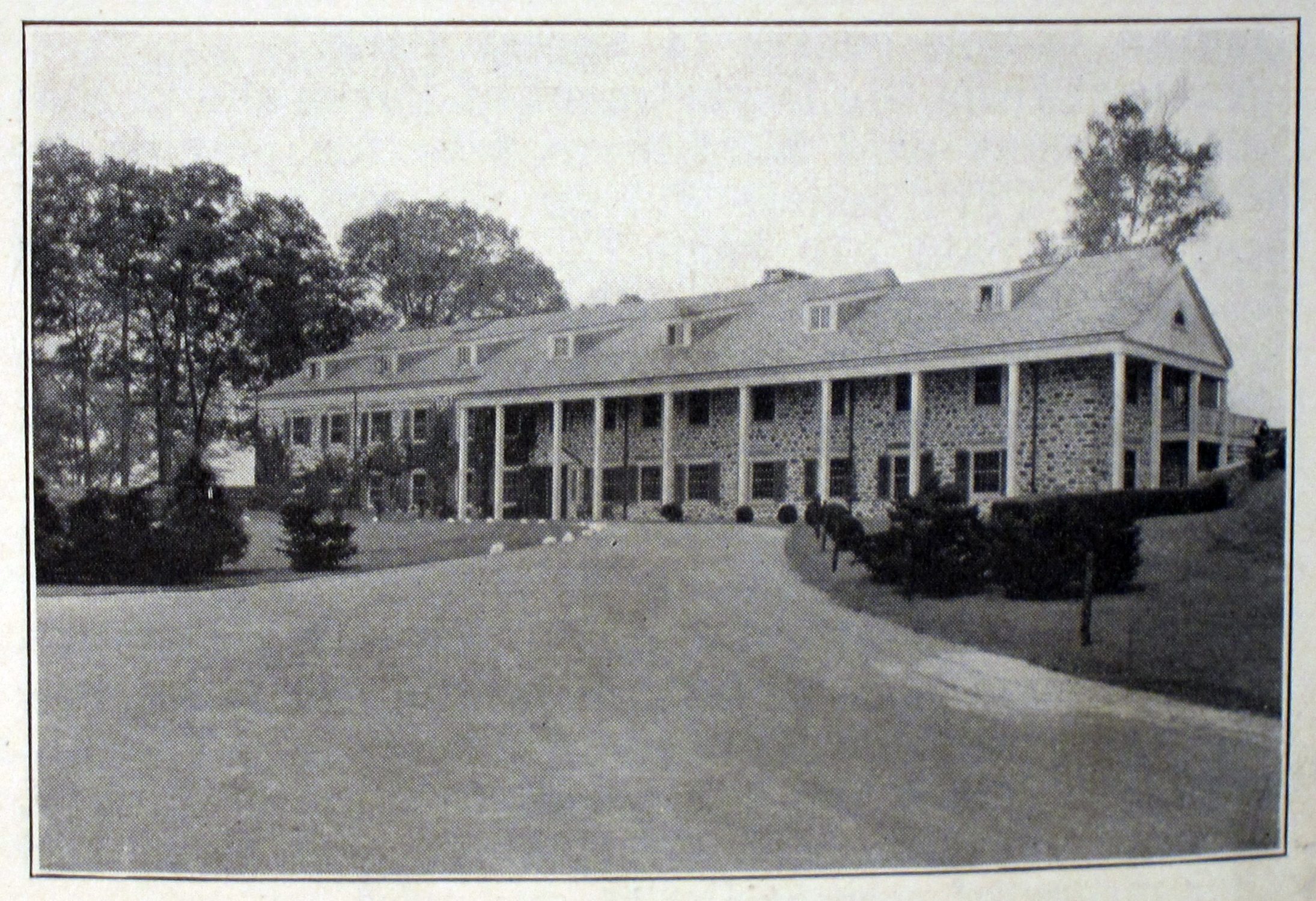
Queens Valley Golf Club north of Forest Hills
Michael Perlman
Many people think of Queens, and particularly Forest Hills as synonymous for its tennis history, but the neighborhood and surrounding communities are also known for its place in golf history. As of 1929, Queens, which was referred to as “The Playground of New York City,” offered hundreds of tennis courts, fifteen golf clubs, horse racing, boating, baseball fields, and beaches, and for a moderate cost to enjoy amusements and relaxation, it did not break the bank.
Now it is time to have a look at some of the recreational clubs in central Queens that have been long-forgotten, since these facilities have sparked population and development growth. Founded in 1923, the Queens Valley Golf Club, just north of Forest Hills, had a membership of 350 members seven years later, and attracted well-known names in professional circles. It was named after Queens Valley, the former name of Kew Gardens Hills, and was situated on 73rd Avenue and Vleigh Road, now Vleigh Place on Main Street. It was advertised for its picturesque grounds overlooking the country and unusual natural advantages from a golfing perspective. The initiation fee was $200 and annual dues were $250. The 6,252-yard, 18-hole golf course was designed by Devereux Emmet, who was considered a pioneering golf course architect credited with over 150 courses worldwide. The stately Colonial fieldstone clubhouse featured a two-story portico with columns and a slate pitched roof with dormers and a pediment. It stood until the late 1930s.
Nearby in Forest Hills was Antlers Golf Club, a 116-acre facility with a course that was 6,000 yards in length. It was organized in 1926, and a ranch style clubhouse with a pitched roof was an addition in 1929, which was situated on a hill and overlooked meadows. The club implemented a limit of 300 members, and within 3 years, already had 262 members in a far less populated community than that of today. Annual dues were set at $250. On June 30, 1929, a road and bridge that linked Queens Boulevard and Kelvin Street (now 69th Road) to the clubhouse opened, and the special occasion was marked by a match between four professional players, Johnny Farrell who is most remembered for winning the U.S. Open in 1928, Gene Sarazen, the winner of seven major championships throughout his career, “Witty” Cox, and Hugh Clasby.
The Seminole (Tennis) Club of Forest Hills originated in 1928 and existed into the 1980s, and was situated on Seminole Avenue (now 112th Street) and Harvest Street (now 70th Road) in the Cord Meyer section. It featured a clubhouse and 9 courts, and its membership was mostly local. It was the site of matches including the New York State Men’s championships, ladies singles championships, and the annual mixed doubles championship tournament. The club attracted the likes of William Pardoe, who was inducted into the Platform Tennis Hall of Fame, as well as Frank Sedgman of Australia, a U.S. national champion and Davis Cup star, before turning pro. Today he is an inductee of the International Tennis Hall of Fame. The Seminole Club also accommodated a creative past, with early entertainment featuring Freddie Charles and his orchestra and tea dances, and then in the 1980s, the Forest Hills Little Theater’s productions. Prominent guests included film actor Humphrey Bogart.
As of 1924, Forest Park was boasted for its 536 acres of forest and glen, 18 tennis courts, an 18-hole golf course, and a baseball field. Today, the park continues to offer diverse recreation and serves an anchor to the community’s roots before 1906, when Forest Hills was known as Whitepot. The golf course originated in 1896 and today offers over 6,000 yards of golfing. The park’s recreation also includes trails, bike paths, baseball and football fields, and basketball courts.
The Forest Hills Little League, located at 66-01 Fleet Street, began leasing the property from the city in 1956, but originated in Forest Hills in 1954. Nearly lost to redevelopment, the league was able to acquire the property in 1964, and today remains a magnet for youth baseball programming.
A most historic Forest Hills recreational club that withstood the test of time is the West Side Tennis Club (WSTC), which moved to Forest Hills in 1913, after the community was named by Cord Meyer Development Company only seven years earlier. Longtime member Bea Hunt, who serves as the WSTC Foundation secretary and co-chaired last year’s 125th Anniversary Committee, explained some of the reasons for the Club’s survival, and attributed its unique history. The WSTC did not originate as a local club, but rather a New York City-based club.
Hunt said, “The membership included many of the top tennis players in the country, and it was known to have the best tennis courts in the city. The club was founded on Manhattan’s West Side in 1892 and leased land in three locations before purchasing land in Forest Hills in 1913. The Club built America’s first tennis stadium in 1923. Members were not local residents, but from the metropolitan area.” Another reason for the Club’s longevity was its ability to host major tournaments. As of 1929, the Club maintained 68 courts, including 28 grass courts. She continued, “It began in 1897 with the Metropolitan Championships, the Davis Cup in 1911, National Championships in 1915, the US Open in 1968, and World Championship Tennis from 1978 to 1990.” Additionally, Forest Hills Stadium began hosting the Forest Hills Music Festival in 1960, attracting nationally and internationally recognized musicians, and after encountering a dry spell for nearly 15 years, made a comeback with concerts in 2013.
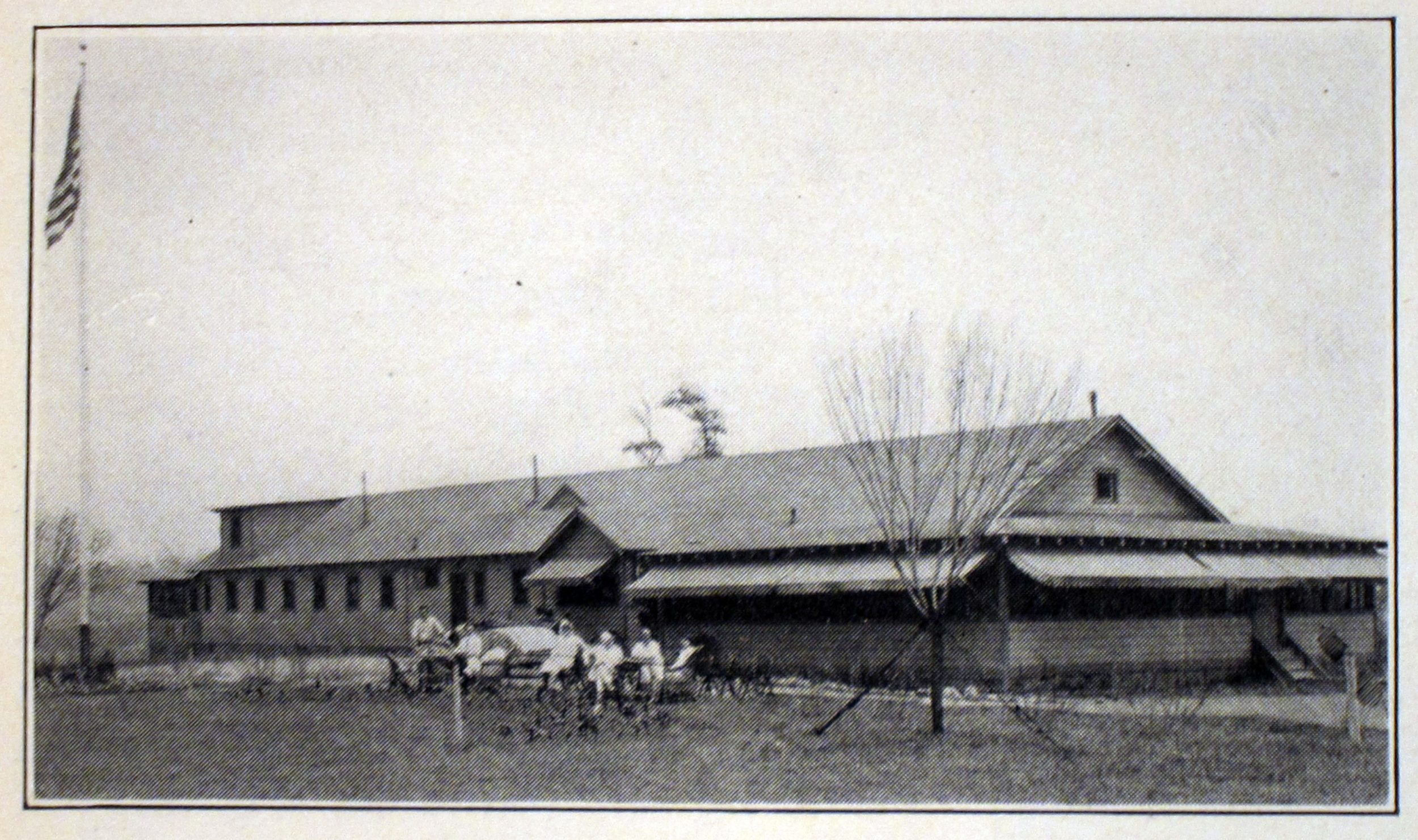
Antlers Golf Club in Forest Hills

Wells Cox is a digital media enthusiast and writer passionate about social media trends and online engagement. As the creator of MT LIVECHAT, he shares insights, tips, and updates to help users navigate the ever-evolving digital landscape.